
Hair Loss Treatment in Adelaide
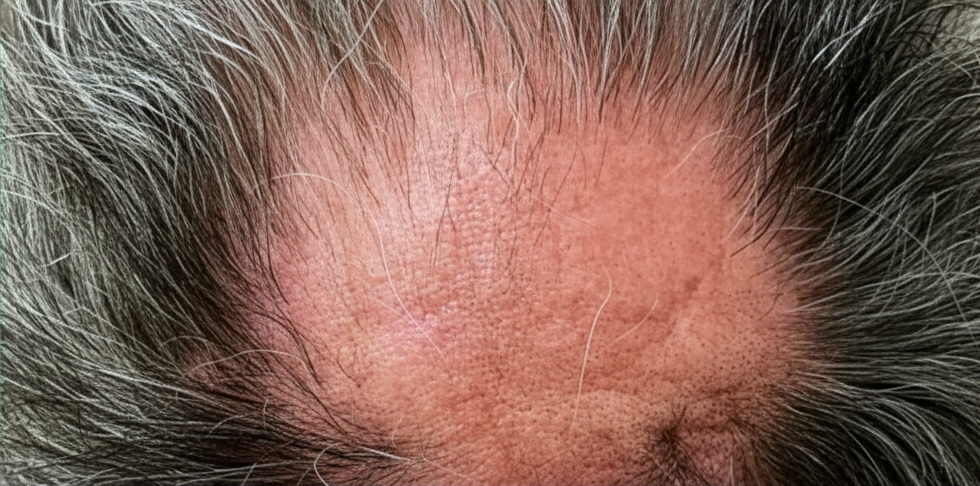
Doctor led hair loss treatment and hair growth planning
Hair loss can feel personal, frustrating and difficult to talk about. For some people it begins as extra hair in the shower. For others, it appears as a widening part line, thinning temples, a receding hairline, patchy shedding or a scalp that suddenly feels more visible in photos.
At Kensington Park Medical, we take a medical and consultative approach to hair loss treatment. The goal is not to guess or sell a one size fits all solution. The first step is to understand why your hair is thinning, whether the hair loss is temporary or progressive, and which treatment options are appropriate for your age, pattern of loss, health history and goals.
Depending on your situation, hair growth treatment may include medical therapy, investigation of underlying causes, scalp care, nutritional correction, regenerative options such as PRF discussion, or referral for hair growth surgery when transplant planning is appropriate.
What We Offer:
- Medical assessment for male and female hair loss
- Diagnosis led treatment rather than guesswork
- Review of shedding, thinning, scalp symptoms and pattern changes
- Blood test planning where clinically appropriate
- Discussion of medical, regenerative and surgical options
- Referral support for hair transplant or specialist care when needed
When to book
- Sudden shedding or rapid thinning
- Receding hairline or thinning crown
- Widening part line in women
- Patchy bald spots
- Itchy, painful, flaky or inflamed scalp
- Hair loss after illness, stress, childbirth or medication changes
What we assess
- Pattern and speed of hair loss
- Family history and hormonal factors
- Iron, thyroid and nutritional contributors
- Scalp inflammation or skin conditions
- Medication and health history
- Whether surgical referral may be appropriate
Possible pathways
- Medical hair loss treatment
- Topical or oral treatment discussion
- Correction of underlying deficiencies
- PRF or regenerative hair support discussion
- Hair transplant planning advice
- Dermatology or surgical referral when required
Hair loss is a symptom, not a single diagnosis
The most important part of hair loss treatment is working out the likely cause. Two people may have the same amount of thinning but need completely different treatment. One may have androgenetic alopecia, commonly called male or female pattern hair loss. Another may have telogen effluvium after illness, childbirth, weight loss, stress or low iron. Another may have alopecia areata, scalp psoriasis, seborrhoeic dermatitis, traction hair loss or a scarring scalp condition that needs early specialist care.
This is why a proper consultation matters. A hair growth shampoo, supplement or serum may sound appealing, but it will not correct every cause of hair loss. Some forms of shedding recover once the trigger is identified and managed. Some forms are progressive and respond best to early medical treatment. Some forms can permanently damage follicles if inflammation is missed.
Our role is to help you slow down, look at the pattern properly and build a sensible plan. We want you to understand what is likely happening, what can be tested, what can be treated, what may take time and when referral for specialist hair loss treatment or hair growth surgery should be considered.
Important: Sudden patchy hair loss, scalp pain, scarring, redness, scaling, pus, rapid shedding or eyebrow and body hair loss should be assessed promptly. Early diagnosis can be important, especially when inflammation or scarring is possible.
Different types of hair loss need different plans
Hair loss can be grouped by pattern, timing and whether the follicle is likely to remain active. Non scarring hair loss means the follicle may still be capable of producing hair. Scarring hair loss means inflammation can damage the follicle permanently. The difference is important because treatment goals and urgency can change.
Pattern hair loss
Pattern hair loss is common in men and women. In men, it often affects the temples and crown. In women, it may appear as diffuse thinning or a widening part line. Treatment aims to slow progression, improve density where possible and preserve existing hair.
Excess shedding
Telogen effluvium can cause noticeable shedding after a trigger such as illness, childbirth, stress, surgery, rapid weight loss, low iron or medication changes. The trigger may have occurred months before the shedding becomes obvious.
Patchy hair loss
Patchy bald areas may occur with alopecia areata, fungal infection, traction, inflammation or other scalp conditions. Because the causes vary, patchy hair loss should be assessed rather than treated blindly.
Male pattern hair loss and receding hairline treatment
Male pattern hair loss is one of the most common reasons men seek hair loss treatment. It may begin with temple recession, thinning at the crown, reduced density across the top of the scalp or gradual miniaturisation of hair over time. Many men first notice it in photos, under bright lights or when styling hair becomes more difficult.
Medical treatment may help slow progression and support regrowth in suitable patients, especially when started early. Treatment choices may include topical minoxidil, prescription medication discussion, lifestyle and scalp health review, or a longer term plan that includes hair transplant surgery if hair loss is more advanced.
Not every man needs the same approach. Some want to preserve what they have. Some want to thicken the crown. Some are considering hair growth surgery but need to understand whether the donor area, hairline design and future thinning pattern make surgery realistic.
Male hair loss assessment may include
- Hairline, temple and crown pattern review
- Family history and age of onset
- Scalp inflammation or dandruff check
- Medication and health history review
- Discussion of evidence based medical options
- Hair transplant suitability discussion when relevant
Female hair loss may involve
- Widening part line
- Diffuse thinning across the scalp
- Shedding after pregnancy or illness
- Iron, thyroid or vitamin related contributors
- Hormonal changes, PCOS or menopause
- Hair breakage, traction or scalp inflammation
Female hair thinning deserves a careful medical review
Female hair loss can be emotionally distressing because it often affects confidence, identity and the way patients feel in public or professional settings. It can also be medically complex. Some women have female pattern hair loss. Others have temporary shedding after childbirth, illness or stress. Some have iron deficiency, thyroid changes, hormonal contributors, inflammatory scalp conditions or medication related shedding.
The pattern matters. A widening part line may suggest female pattern hair loss. Sudden shedding may suggest telogen effluvium. Patchy loss may suggest alopecia areata or another condition. Scalp redness, scale, tenderness or burning may suggest inflammation that needs prompt attention.
A supportive hair loss doctor should not dismiss female hair loss as cosmetic. At Kensington Park Medical, we take symptoms seriously, review possible triggers and discuss treatment options in plain language.
What happens during a hair loss consultation?
A good hair loss consultation begins with listening. We ask when the hair loss started, whether it is shedding or thinning, whether there are patches, whether the scalp is itchy or sore and whether any trigger occurred in the months before the change. This may include illness, fever, surgery, new medication, childbirth, stress, dietary change, rapid weight loss or hormonal changes.
Your doctor may examine the scalp, hairline, crown, part line and areas of concern. We may look for scale, redness, scarring, broken hairs, miniaturisation, patchy loss or signs of inflammation. If clinically appropriate, blood tests may be arranged to assess contributors such as iron stores, thyroid function, vitamin levels, hormonal factors or general health markers.
Hair loss treatment should match the diagnosis
Hair loss treatment works best when it is matched to the reason the hair is thinning. A person with low iron and heavy shedding may need a different plan from someone with male pattern hair loss. A woman with hormonal thinning may need different investigation from someone with scalp inflammation. A patient with advanced hairline recession may need a long term medical and surgical plan rather than a single product.
At Kensington Park Medical, we focus on realistic, staged care. That may mean treating an underlying deficiency, starting evidence based medical therapy, improving scalp health, discussing PRF or PRP style regenerative options, monitoring with photos or referring for dermatology or hair growth surgery when appropriate.
Medical treatment
Prescription or non prescription options may be discussed depending on the pattern, sex, age, pregnancy plans, medical history and risk profile.
Underlying causes
Low iron, thyroid changes, nutritional issues, stress, illness, medication effects and hormonal changes may need specific management.
Regenerative support
Some patients ask about PRF or PRP style hair growth therapy. Suitability depends on the type and stage of hair loss.
Hair growth surgery
Hair transplant surgery may be considered for suitable patients with stable pattern hair loss and adequate donor hair.
Medical hair growth treatment and preservation
For many people, the first goal of hair loss treatment is preservation. If hair follicles are still active but miniaturising, early treatment may help slow further loss and improve density in some areas. This is especially relevant in androgenetic alopecia, where hair tends to become finer and shorter over time.
Commonly discussed options may include topical treatments such as minoxidil, prescription medications for suitable male patients, hormonal assessment in women, and management of contributing factors such as iron deficiency or thyroid disease. These options are not suitable for everyone, and they require a clear discussion of benefits, limitations, side effects and expected timing.
Hair growth treatment is usually gradual. Most patients need months rather than weeks to judge response. Stopping treatment early can make it difficult to know whether the plan was working. Your doctor can help set expectations, monitor progress and adjust the plan when needed.
Medical treatment planning considers
- Type and pattern of hair loss
- Age, sex and pregnancy plans
- Medical history and medication interactions
- Scalp health and inflammation
- Potential side effects and safety
- Realistic timeline for visible change
- Whether long term maintenance is needed
Blood tests may review
- Iron stores and full blood count
- Thyroid function
- Vitamin B12, folate or vitamin D where relevant
- Hormonal markers when clinically indicated
- Inflammatory or autoimmune clues when appropriate
- General health markers based on symptoms
When blood tests can help with hair loss
Blood tests are not required for every patient, but they can be useful when the story suggests shedding, fatigue, heavy periods, dietary restriction, thyroid symptoms, hormonal changes, recent illness or unexplained diffuse thinning. Correcting an underlying issue can be an important part of hair loss treatment.
For example, low iron stores may contribute to shedding, especially in people with heavy periods, low dietary iron intake or recent blood loss. Thyroid imbalance can affect hair cycling. Hormonal changes can influence scalp hair density. Nutritional deficiency or rapid weight loss can push more hairs into a shedding phase.
Investigation should be guided by your history. The aim is not to order every possible test, but to look for relevant causes that may change your treatment plan.
Healthy hair growth starts with a healthy scalp
Sometimes the scalp itself is part of the problem. Itching, flaking, redness, tenderness, burning, scaling or pustules can suggest inflammation or skin disease. Conditions such as seborrhoeic dermatitis, psoriasis, fungal infection, folliculitis or scarring alopecia can affect hair comfort, shedding and growth.
Scalp symptoms should not be ignored. Some inflammatory scalp conditions can be treated with topical therapies, medicated shampoos or prescription medicines. Others require dermatologist input. If there are signs of scarring, loss of follicle openings, shiny patches, pain or progressive patchy loss, early referral can be important.
Inflammation signs
- Redness or scaling
- Burning or soreness
- Scalp tenderness
- Pustules or crusting
- Rapid patchy thinning
Common scalp issues
- Dandruff and seborrhoeic dermatitis
- Psoriasis
- Folliculitis
- Fungal infection
- Traction related irritation
When to act quickly
- Scarring or shiny scalp patches
- Loss of visible follicle openings
- Painful or inflamed bald patches
- Rapid worsening
- Eyebrow or body hair loss
PRF and PRP style hair growth therapy
Some patients ask about platelet based hair growth therapy, including PRP and PRF. These treatments use components prepared from a patient’s own blood and are discussed in some cosmetic and regenerative medicine settings for hair thinning support.
PRF, or Platelet Rich Fibrin, is prepared from a small blood sample and may be discussed as part of a broader plan for suitable patients. The intention is to support the follicular environment and scalp tissue quality. Response varies between individuals, and it is not a guaranteed cure for hair loss.
Regenerative hair therapy is usually more appropriate when follicles remain active. It is unlikely to create meaningful density in areas where follicles are no longer present. This is why assessment matters. If the scalp is already shiny and bald in an area, hair growth surgery may be a more realistic discussion than injection based therapy.
PRP
Platelet Rich Plasma is generally prepared by spinning a blood sample to concentrate platelets in plasma. It is commonly discussed in hair, skin and musculoskeletal treatment settings.
- Uses a patient’s own blood sample
- Usually requires a course of treatments
- Response varies between patients
- Best discussed after diagnosis
PRF
Platelet Rich Fibrin is prepared differently and forms a fibrin matrix that may release growth factors more gradually. Suitability depends on your hair loss type and treatment goals.
- Made from your own blood sample
- No synthetic filler material added
- May support scalp and follicle environment
- Not a substitute for proper diagnosis
Why hair loss treatment takes time to show results
Hair grows in cycles. That means treatment rarely produces instant visible change. Even when the right plan is started, it may take several months before shedding slows, density improves or new growth becomes noticeable. Some treatments can also cause a temporary shedding phase before improvement becomes visible.
This can be frustrating, but it is one reason progress should be reviewed in a structured way. Photos taken under similar lighting, part width comparison, crown assessment and symptom tracking can be more useful than checking the mirror daily. Daily checking often increases anxiety and makes small changes harder to judge.
A typical review plan may involve checking response after several months, adjusting treatment if needed and considering referral if progress is poor or the diagnosis is unclear. For surgical options, timing is also important. Hair transplant planning usually works best once the pattern of hair loss is understood and future progression has been considered.
Realistic expectations
- Shedding can take time to settle
- Visible regrowth is usually gradual
- Photos are more useful than daily mirror checks
- Some treatments require ongoing use
- Advanced bald areas may not respond to medicine alone
- Surgery may still require medical maintenance
When hair transplant surgery may be worth discussing
Hair growth surgery, often called hair transplant surgery, may be considered when hair loss is more established and there is enough donor hair to relocate into thinning areas. It is most often discussed for male pattern hair loss, but some women may also be suitable depending on the diagnosis, donor density and pattern of thinning.
A hair transplant does not create new hair. It moves hair follicles from a donor area, usually the back or sides of the scalp, into areas where density is reduced. This means donor supply, hair calibre, scalp health, future hair loss progression and realistic design are all important.
For many patients, the best plan is not surgery alone. Medical treatment may still be recommended before or after surgery to help preserve existing hair and reduce ongoing thinning. A natural result depends on careful planning, not simply placing more hairs into the front of the scalp.
Good surgical planning considers
- Donor hair density
- Future hair loss pattern
- Hairline design
- Crown involvement
- Age and expectations
- Need for medical maintenance
Surgery may suit
- Stable pattern hair loss
- Receding hairline concerns
- Crown thinning in selected cases
- Adequate donor hair
- Realistic expectations
- Willingness for long term planning
Surgery may not suit
- Active shedding without diagnosis
- Poor donor hair supply
- Untreated scalp inflammation
- Unstable hair loss pattern
- Unrealistic density goals
- Medical risks that need review
Understanding hair transplant techniques
The two commonly discussed hair transplant methods are follicular unit extraction, often called FUE, and follicular unit transplantation, often called FUT. Both aim to move healthy follicles from the donor area into thinning areas. The difference is how the donor follicles are harvested.
FUE removes individual follicular units from the donor area. It may leave tiny dot like scars and is often chosen by patients who prefer shorter hairstyles, although suitability depends on donor area quality and the number of grafts required. FUT removes a strip of scalp from the donor area, which is then divided into grafts. It may be considered when a larger number of grafts is needed, but it leaves a linear scar.
Neither technique is automatically better for every patient. A good surgical recommendation depends on donor supply, hairstyle preference, extent of hair loss, scalp laxity, previous procedures and long term planning.
FUE
- Individual follicle extraction
- Tiny dot like donor scars
- Often preferred for shorter hairstyles
- May require careful donor management
- Can be time intensive for larger sessions
FUT
- Strip harvest from donor area
- Linear scar in donor region
- Can suit selected larger graft sessions
- Depends on scalp laxity and healing
- May not suit very short hairstyles
A sensible pathway before hair growth surgery
Patients sometimes come in ready to book a hair transplant, but the safest pathway begins with diagnosis. If shedding is temporary, surgery may be unnecessary. If the scalp is inflamed, surgery should usually wait. If hair loss is still progressing quickly, operating too early can create an unnatural result later as untreated hair continues to thin.
Before considering hair growth surgery, it is helpful to understand whether the hair loss is stable, whether medical treatment should be tried, whether the donor area is strong enough and whether the planned hairline will still look natural in ten or twenty years.
A natural result depends on
- Age appropriate hairline design
- Correct graft direction and angle
- Donor area quality
- Long term hair loss planning
- Realistic density expectations
- Ongoing medical maintenance where suitable
Hair surgery is planning, not just graft numbers
It is easy to focus on graft numbers when researching hair transplant surgery, but graft count is only one part of the result. A natural looking outcome depends on hairline design, placement angle, density distribution, donor preservation and the surgeon’s judgement about future hair loss.
An aggressive low hairline may look appealing at first but can become difficult to maintain if thinning continues behind it. A conservative, age appropriate design may look more natural over time. For crown thinning, expectations are especially important because the crown can require many grafts and may continue to thin around the transplanted area.
Before referral, your GP can help you understand what questions to ask, what red flags to watch for and why medical stabilisation may still matter even after surgery.
Hair growth timeline after treatment or surgery
Whether treatment is medical, regenerative or surgical, hair growth usually takes time. Patients often feel discouraged when visible improvement is not immediate, but hair biology is slow. Consistent review is more useful than daily checking.
With medical treatment, the aim is often to reduce shedding first, then support density over time. With PRF or PRP style therapy, patients may need multiple sessions and review over months. With hair transplant surgery, transplanted hairs commonly shed before regrowth begins, and final results may take many months to mature.
First weeks
The focus is comfort, scalp care, aftercare and continuing the agreed plan.
Months 2 to 4
Shedding may settle. Some treatments may still appear slow at this stage.
Months 4 to 8
Early density changes may become easier to assess with consistent photos.
Beyond 9 months
Longer term response, maintenance and next steps can be reviewed.
Medical treatment, regenerative support or surgery?
Many patients want to know which option is strongest. The better question is which option fits the diagnosis and stage of hair loss. A patient with early thinning may benefit from medical preservation before surgery is needed. A patient with advanced recession may need surgical planning because follicles are no longer active in the bald area. A patient with diffuse shedding may need investigation rather than transplant discussion.
In practice, hair loss treatment often works best as a layered plan. Medical treatment may preserve existing hair. Regenerative options may be discussed for suitable follicles. Surgery may restore density in areas where hair has been permanently lost. Scalp health and underlying medical contributors should be addressed at every stage.
Medical treatment
Often best for early or ongoing pattern hair loss where follicles are still active. It may help preserve hair and slow progression, but usually requires patience and maintenance.
Regenerative therapy
May be discussed for suitable patients wanting supportive hair growth therapy. It is not suitable for every cause and is not a guaranteed replacement for medical or surgical care.
Hair growth surgery
May suit stable, established pattern hair loss with adequate donor hair. It should be planned carefully to avoid unnatural results as future thinning occurs.